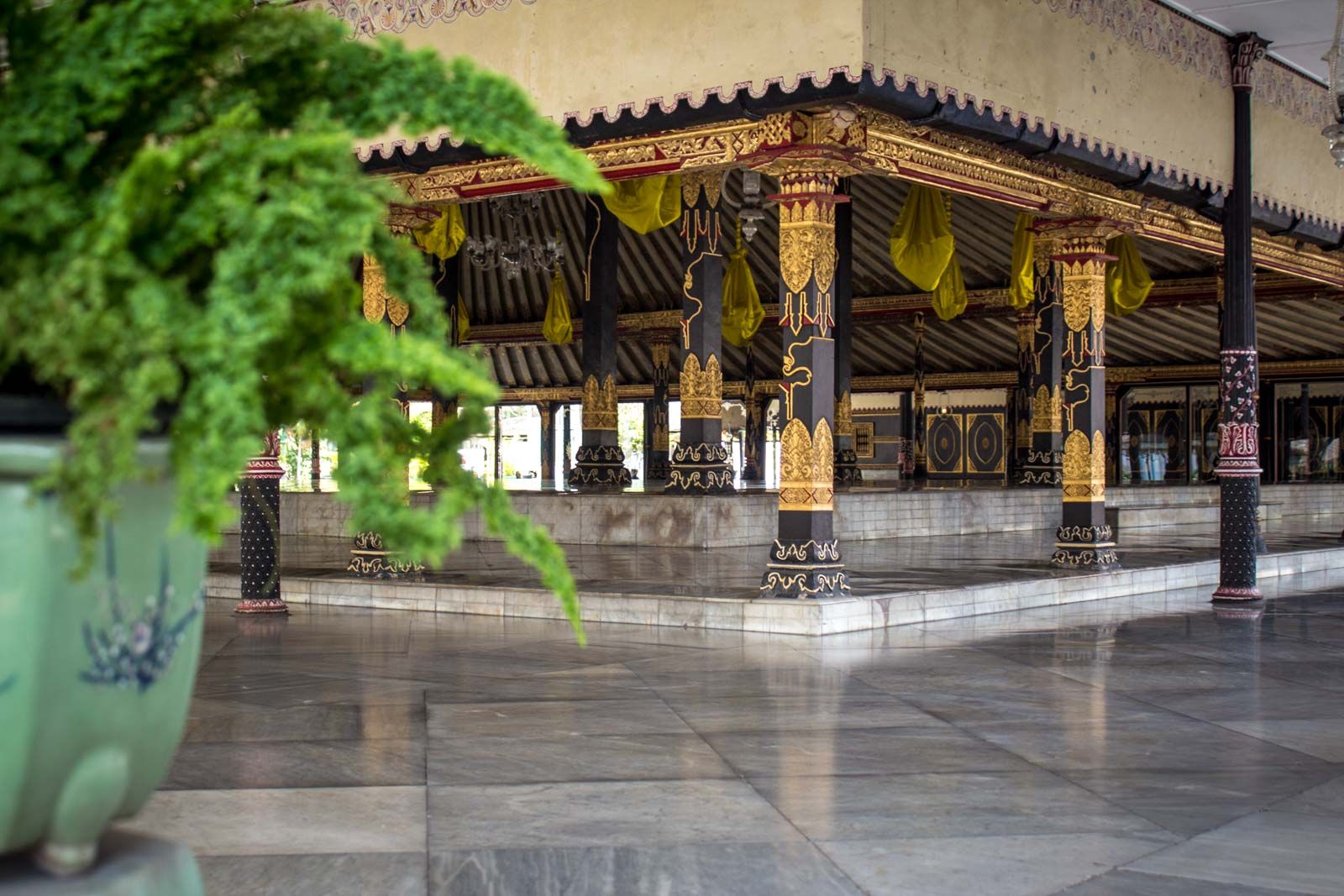
Yogyakarta gives travelers a unique chance to explore living royal culture and Javanese history. Palaces, water gardens, historic districts, and traditional landmarks reveal the story of the region’s kingdoms. These Yogyakarta Royal Heritage Sites help visitors understand how royal traditions continue to shape local culture today. Moreover, travelers can combine several sites in one heritage-focused itinerary.
Explore Keraton Yogyakarta
First, visit Keraton Yogyakarta at the heart of the city. The palace plays an important role in Yogyakarta’s royal and cultural identity.
Visitors can explore traditional halls, courtyards, royal collections, and cultural spaces. Local guides can explain architectural symbols, ceremonies, and court traditions.
The palace also gives travelers a closer look at Javanese art and cultural values. Therefore, Keraton makes an ideal starting point for a royal heritage journey.
Walk Through Taman Sari
Next, continue to Taman Sari near the Keraton. Sultan Hamengkubuwono I developed the complex as part of the royal environment.
Travelers can explore historic pools, gates, walls, and passageways. The surrounding neighborhood also creates an interesting atmosphere with narrow streets and traditional houses.
Moreover, Taman Sari shows another side of royal life beyond formal palace buildings. Its architecture makes the site popular with history lovers and photographers.
For broader travel ideas, explore this guide to the top attractions and cultural sites in Yogyakarta.
Discover Kotagede
Kotagede connects travelers with the early history of the Mataram Kingdom. The historic district offers a quieter experience than central Yogyakarta.
Visitors can walk through narrow alleys, see traditional houses, and explore old mosques. Meanwhile, local silver workshops keep an important craft tradition alive.
Artisans create jewelry and decorative pieces with detailed techniques. As a result, Kotagede combines royal history with living craftsmanship.
Visit Panggung Krapyak
Panggung Krapyak adds another historical landmark to a royal heritage route. The structure stands south of the Keraton and connects closely with Yogyakarta’s traditional city layout.
Travelers can stop here while exploring southern Yogyakarta. In addition, the landmark helps visitors understand the broader relationship between royal architecture and city planning.
The visit does not require much time. Therefore, you can easily combine it with Taman Sari or nearby cultural areas.
Explore Imogiri Royal Cemetery
Travelers who want deeper royal history can continue toward Imogiri. The area contains royal burial grounds connected with important Javanese rulers.
Visitors should respect local customs and dress appropriately. However, the journey offers a different cultural experience from temples and palaces.
The hill setting also creates a calm atmosphere. Take your time and follow local guidance while exploring the area.
Experience Traditional Royal Arts
Royal heritage extends beyond buildings. Javanese dance, gamelan music, batik, and traditional ceremonies also carry important cultural values.
Travelers can watch performances or visit local craft workshops. Furthermore, these activities help visitors experience traditions that remain part of Yogyakarta’s cultural life.
Plan Your Royal Heritage Journey
Group nearby destinations to reduce travel time. For example, combine Keraton, Taman Sari, and Panggung Krapyak in one city route.
Use another trip for Kotagede or Imogiri. Finally, explore private Yogyakarta heritage tours with local guides if you want easier transportation and a flexible itinerary.
Conclusion
The Yogyakarta Royal Heritage Sites reveal different chapters of Javanese royal history. Keraton introduces court traditions, while Taman Sari shows another side of palace life. Meanwhile, Kotagede, Panggung Krapyak, and Imogiri add historical depth. Together, these destinations create a meaningful journey through Yogyakarta’s royal heritage.